
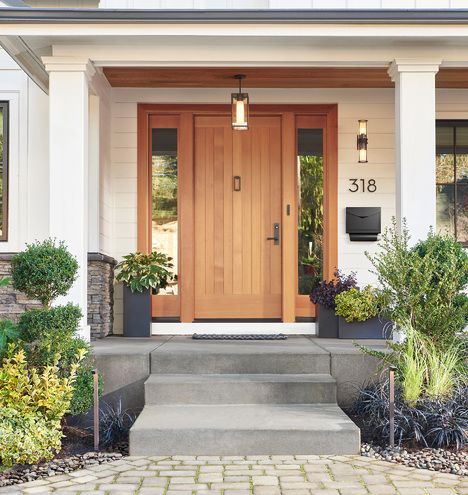
When building or renovating a home, doors are a crucial element that can significantly impact the aesthetic and functionality of your space. With so many options available, it can be overwhelming to decide which type of door best suits your needs. This guide will explore the different kinds of doors you can use when building a home, along with their pros and cons, to help you make an informed decision.
1. Solid Wood Doors1. Solid Wood Doors
1. Solid Wood Doors
Pros:
- Durability: Solid wood doors are incredibly durable and can last for decades with proper maintenance.
- Aesthetic Appeal: They offer a timeless, classic look that adds warmth and elegance to any home.
- Insulation: Wood is a natural insulator, providing good thermal and sound insulation.
Cons:
- Cost: Solid wood doors can be expensive compared to other materials.
- Maintenance: They require regular maintenance, including staining or painting, to protect against moisture and pests.
- Weight: They are heavier than other doors, which can make installation more challenging.
2. Hollow Core Doors
2. Hollow Core Doors
Pros:
- Affordability: Hollow core doors are budget-friendly, making them a popular choice for interior doors.
- Lightweight: Easy to install and handle due to their lightweight nature.
- Variety: Available in a wide range of styles and finishes.
Cons:
- Durability: They are less durable and more prone to damage compared to solid wood doors.
- Insulation: Provide poor thermal and sound insulation.
- Aesthetic: Often considered less visually appealing than solid wood doors.
3. Solid Core Doors
3. Solid Core Doors
Pros:
- Insulation: Offer better sound and thermal insulation compared to hollow core doors.
- Durability: More durable than hollow core doors, though not as robust as solid wood.
- Affordability: Generally less expensive than solid wood doors while offering a similar look.
Cons:
- Weight: Heavier than hollow core doors, which can make them harder to install.
- Cost: More expensive than hollow core doors, though still cheaper than solid wood.
4. Fiberglass Doors
4. Fiberglass Doors
Pros:
- Durability: Resistant to warping, rotting, and denting, making them ideal for exterior use.
- Low Maintenance: Require minimal upkeep compared to wood doors.
- Insulation: Provide excellent thermal insulation, which can help reduce energy costs.
Cons:
- Cost: Can be more expensive than some other door materials.
- Aesthetic: While they can mimic the look of wood, they may not have the same natural appeal.
5. Steel Doors
5. Steel Doors
Pros:
- Security: Offer high security due to their strength and resistance to break-ins.
- Durability: Extremely durable and resistant to weather and fire.
- Maintenance: Require little maintenance and can be painted to match your home’s decor.
Cons:
- Rust: Can rust if the finish is damaged and not properly maintained.
- Insulation: Not as good at insulating as wood or fiberglass doors.
- Aesthetic: May not have the same warm, inviting look as wood doors.
6. Glass Doors
6. Glass Doors
Pros:
- Natural Light: Allow natural light to flow into your home, creating a bright and open feel.
- Aesthetic Appeal: Provide a modern and elegant look, particularly popular for patio or French doors.
Cons:
- Privacy: Offer less privacy unless frosted or tinted glass is used.
- Security: Can be less secure unless made with reinforced or tempered glass.
- Maintenance: Require regular cleaning to maintain their appearance.
7. Sliding Doors
8. Sliding Doors
Pros:
- Space-Saving: Do not require space to swing open, making them ideal for small areas.
- Aesthetic: Provide a sleek, modern look and are often used for patios or closets.
- Ease of Access: Easy to open and close, making them user-friendly.
Cons:
- Maintenance: Tracks can become dirty or damaged, requiring maintenance.
- Insulation: May not provide as much insulation as hinged doors.
- Security: Can be less secure than traditional hinged doors.
8. French Doors
8. French Doors
Pros:
- Aesthetic Appeal: Offer a timeless, elegant look that enhances the beauty of your home.
- Natural Light: Allow ample natural light to enter, similar to glass doors.
- Versatility: Can be used for both interior and exterior applications.
Cons:
- Cost: Can be more expensive than other types of doors.
- Maintenance: Require regular upkeep, especially if made of wood.
- Security: May be less secure unless equipped with quality locks and reinforced glass.
Conclusion
Choosing the right door for your home depends on various factors, including your budget, aesthetic preferences, and functional needs. Whether you prioritize security, insulation, or visual appeal, there is a door type that will meet your requirements. By understanding the pros and cons of each option, you can make an informed decision that enhances the beauty and functionality of your home.
